Skate gear takes a beating, and a few habits keep it working properly. Most of it is common sense. Check your board before you ride and put it away dry when you are done. Think of it like any tool you depend on: a little attention each time costs almost nothing, while neglect piles up quietly until something stops working at a bad moment.
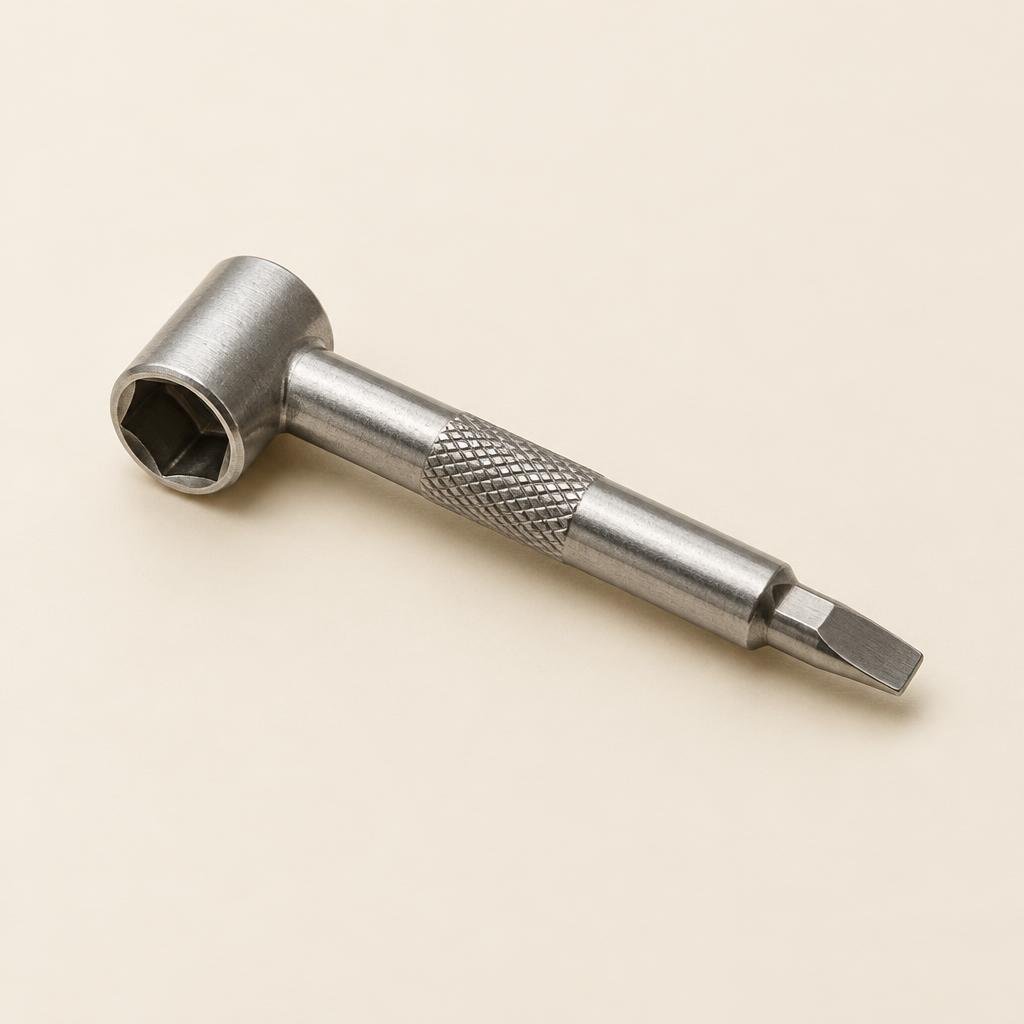
Start with the bolts. The nuts that hold your trucks to the deck can loosen with use, and a loose truck makes the board feel unstable. A skate tool does this job in a minute, so make it a habit to give everything a quick turn. Do not crank them as hard as you can, just snug them until nothing wiggles.
Over-tightening is a common mistake. Mounting bolts that are forced too far can crush the wood around the holes or strip the threads, and then they never hold properly again. A snug fit is the goal. If a nut keeps backing off, check that the washers are seated and the threads are clean, and replace the bolt if the threads look chewed up.
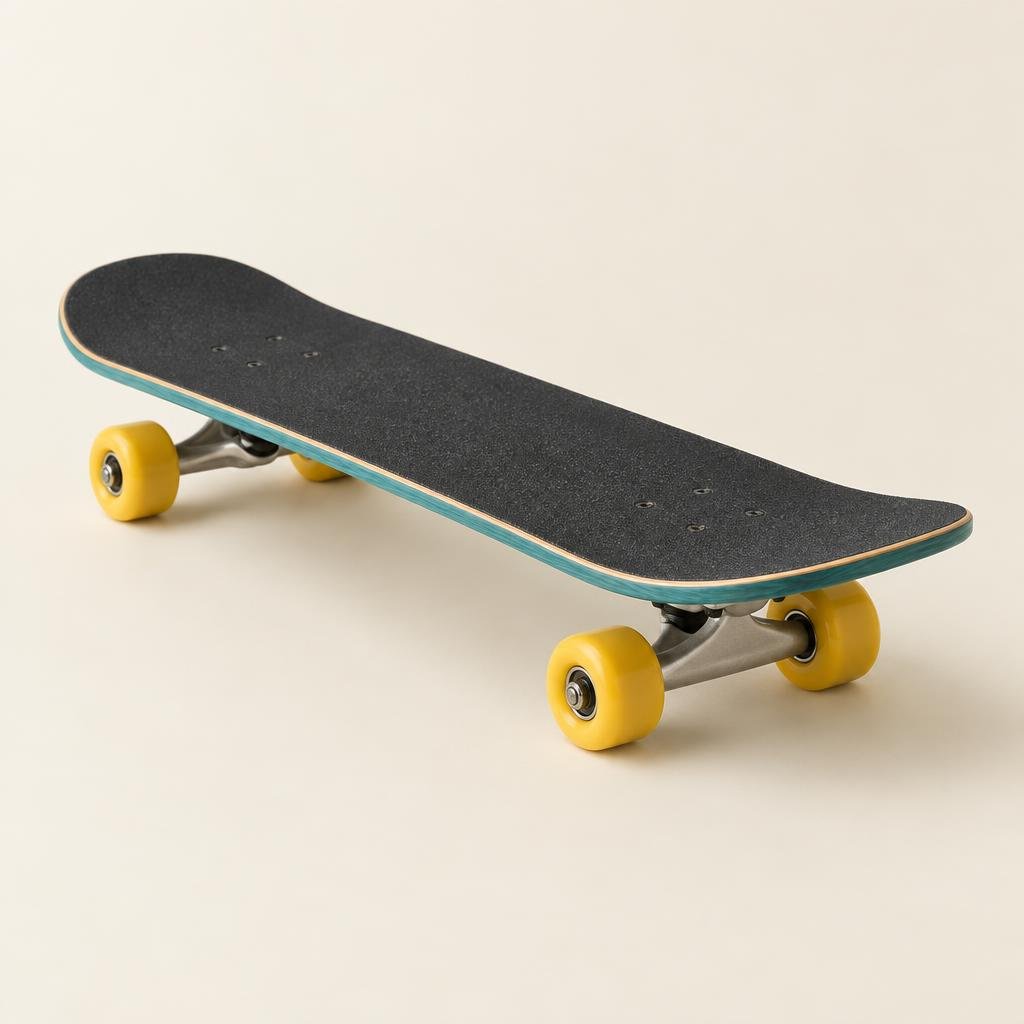
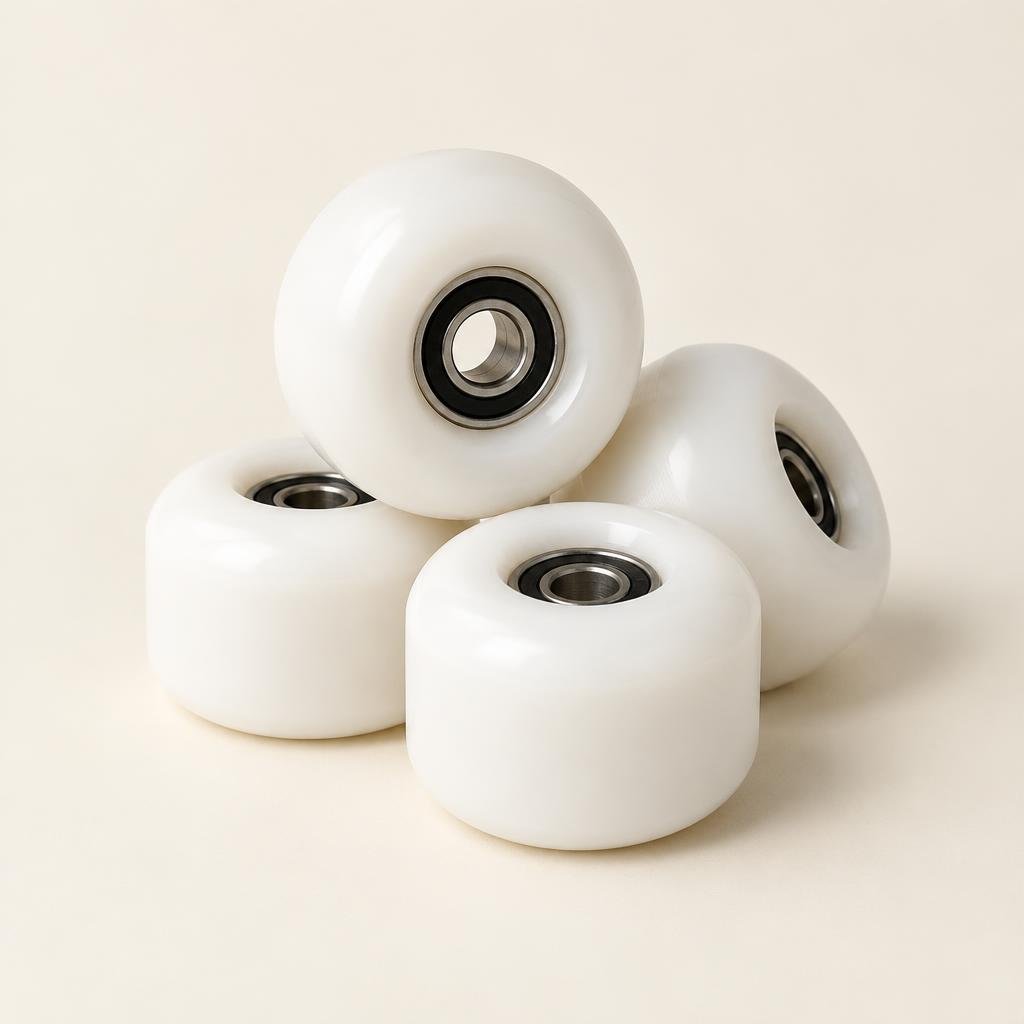
It also helps to look the board over while the tool is in your hand. Spin each wheel and watch for wobble. Glance along the edges of the deck for chips or cracks starting to open. Small problems are easy to fix or work around, and finding them on the kitchen floor beats finding them halfway down the street.
Trucks, Bushings and Adjustment
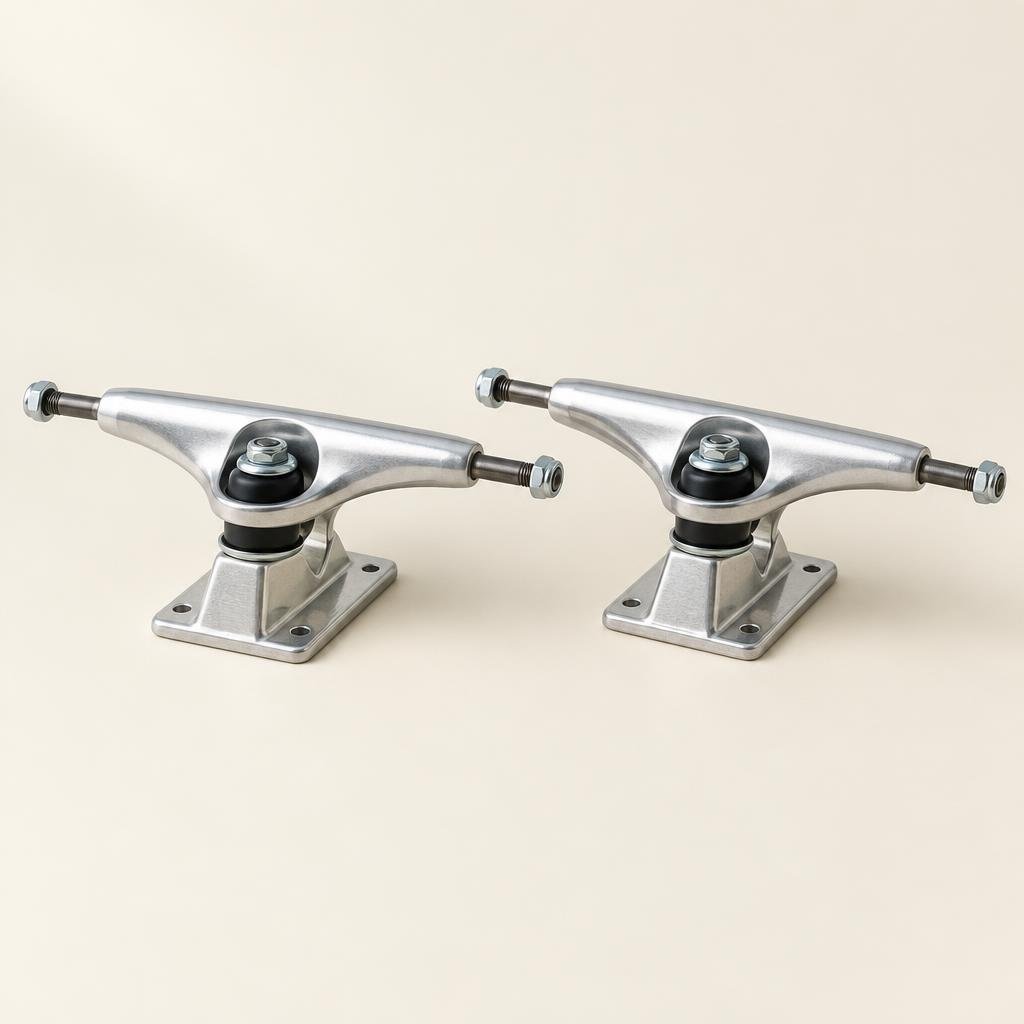
Trucks are the metal axles under the deck. The bushings inside them are the rubber pieces that let the board lean and turn. Tightening the center nut makes the board stiffer, and loosening it makes it more responsive, so adjust it to how you like to ride. Change it a little at a time, a quarter turn is plenty, and test between tweaks.
Bushings come in different hardness levels. Softer ones squish easily and give a loose, carvy feel, while harder ones resist and feel steadier at speed. Heavier riders often like firmer rubber, and lighter riders often prefer softer. None of this is a rule, it is just a starting point you can adjust once you know what feels right under your feet.
Bushings wear out like any rubber. When they crack, flatten or turn crumbly, the board stops leaning smoothly and may feel mushy no matter how you set the nut. That is the time to swap them rather than keep tightening. Fresh bushings make an old setup feel new, and they cost far less than replacing the whole truck.
Keep the truck axles and the kingpin free of heavy grime. A quick wipe with a rag removes most of it. A bent axle is a different story, since it will make wheels sit crooked and wear unevenly, and that usually means a replacement. Catching it early saves your wheels and keeps the board rolling straight.
Grip Tape and the Deck
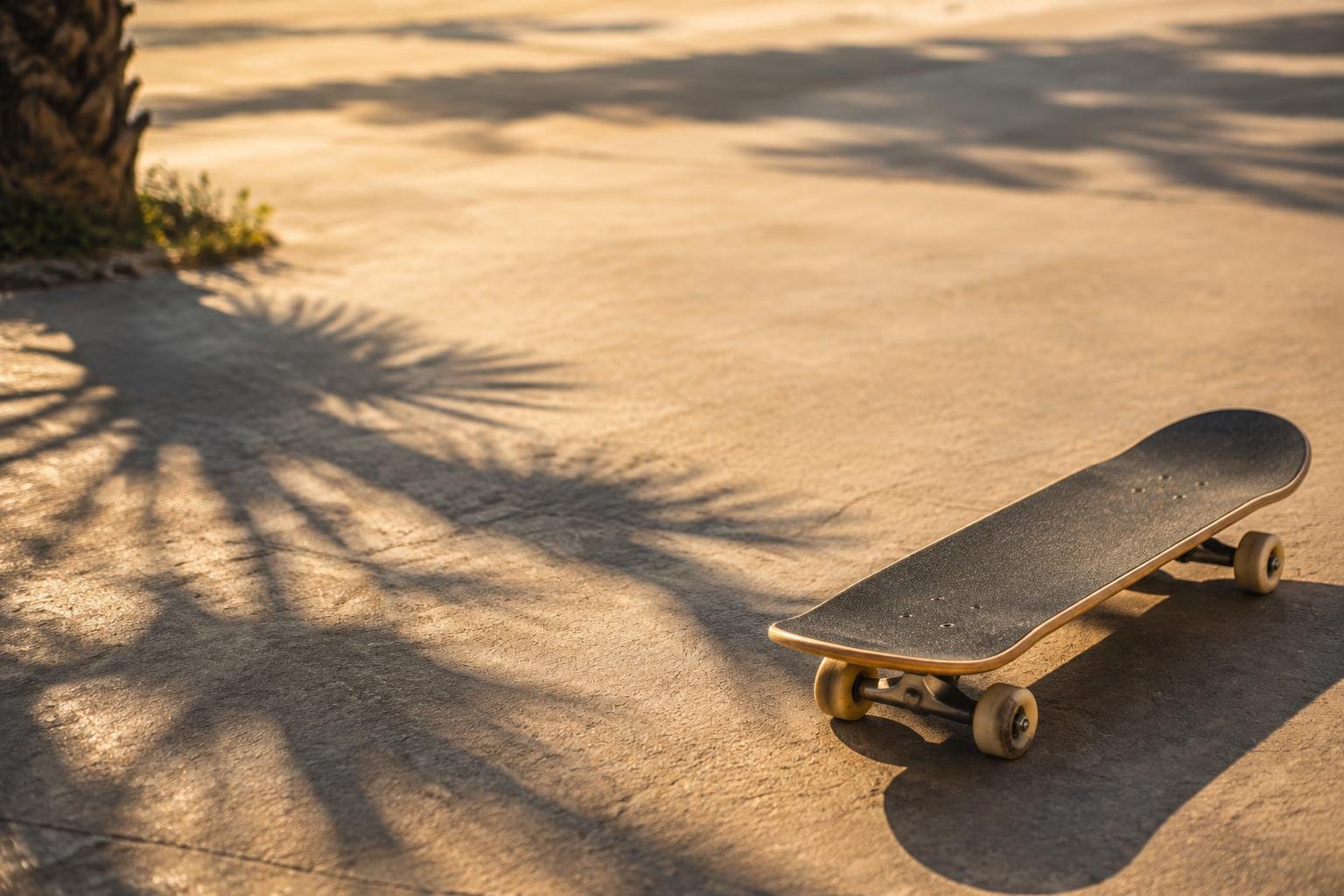
Grip tape wears out and gets slick. You can brush it with a stiff brush to clear out dirt and bring back some bite. When it is smooth and your shoes slip, it is time for new grip. Sand-like grit is what does the work, so once the surface has worn down to the glue, no brushing will help.
Dirt and moisture are what clog grip most. A dry brush works best, and you can use a rubber cleaner block on shiny patches, though it will only go so far. Avoid soaking the tape, since water seeps in at the edges and can soften the glue and the wood below. Brushing after a session keeps it from caking.
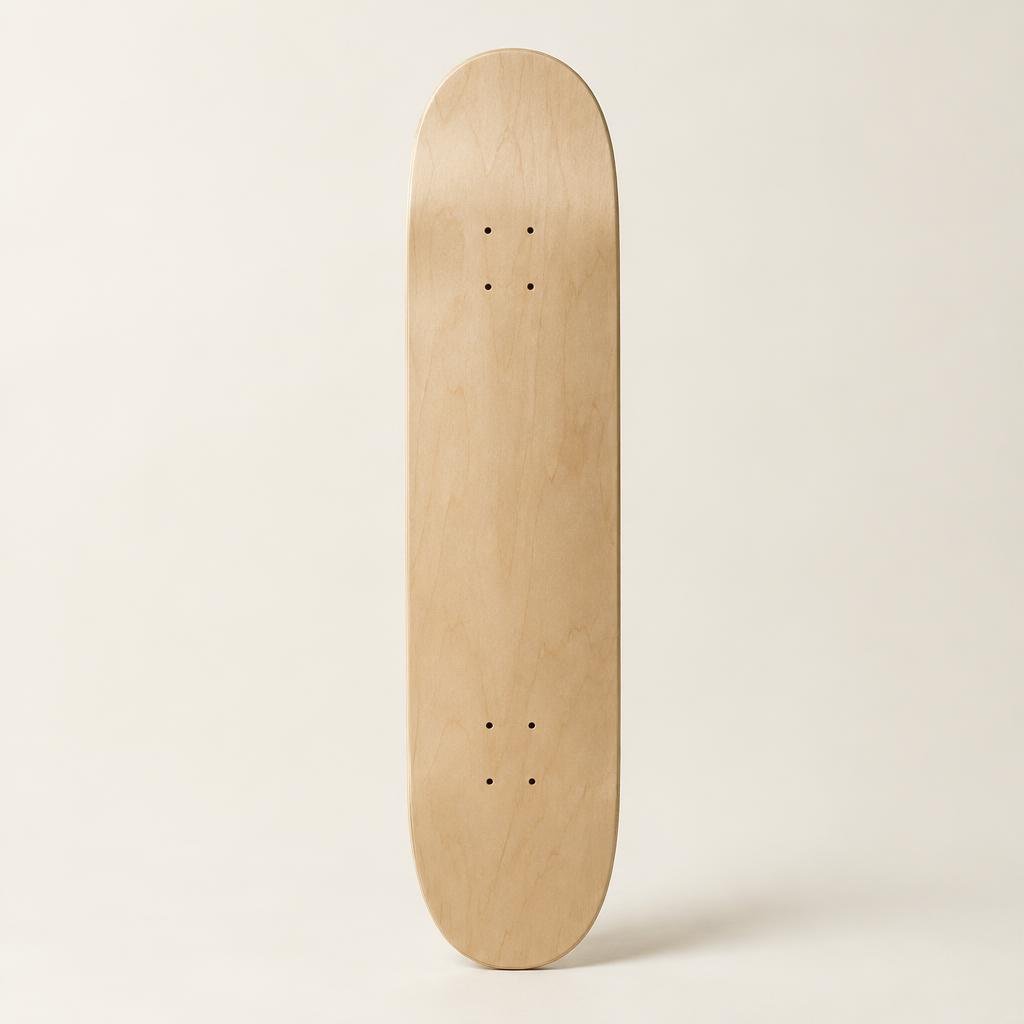
The deck itself is wood, so water is its enemy. Do not leave it in the rain or in a damp car, since wet wood swells and loses its stiffness. If it does get wet, dry it at room temperature rather than next to a heater. Quick heat can warp the layers and leave the board curved the wrong way.
Wood decks are made of thin layers glued together, and the layers are what give a deck its snap. Over time every deck loses some pop, which is normal. Signs it is done include a soft, dead feel, a nose or tail that has gone floppy, or cracks near the bolts. Storing it flat or hung up helps it last longer.
Clothing and Carrying Bags
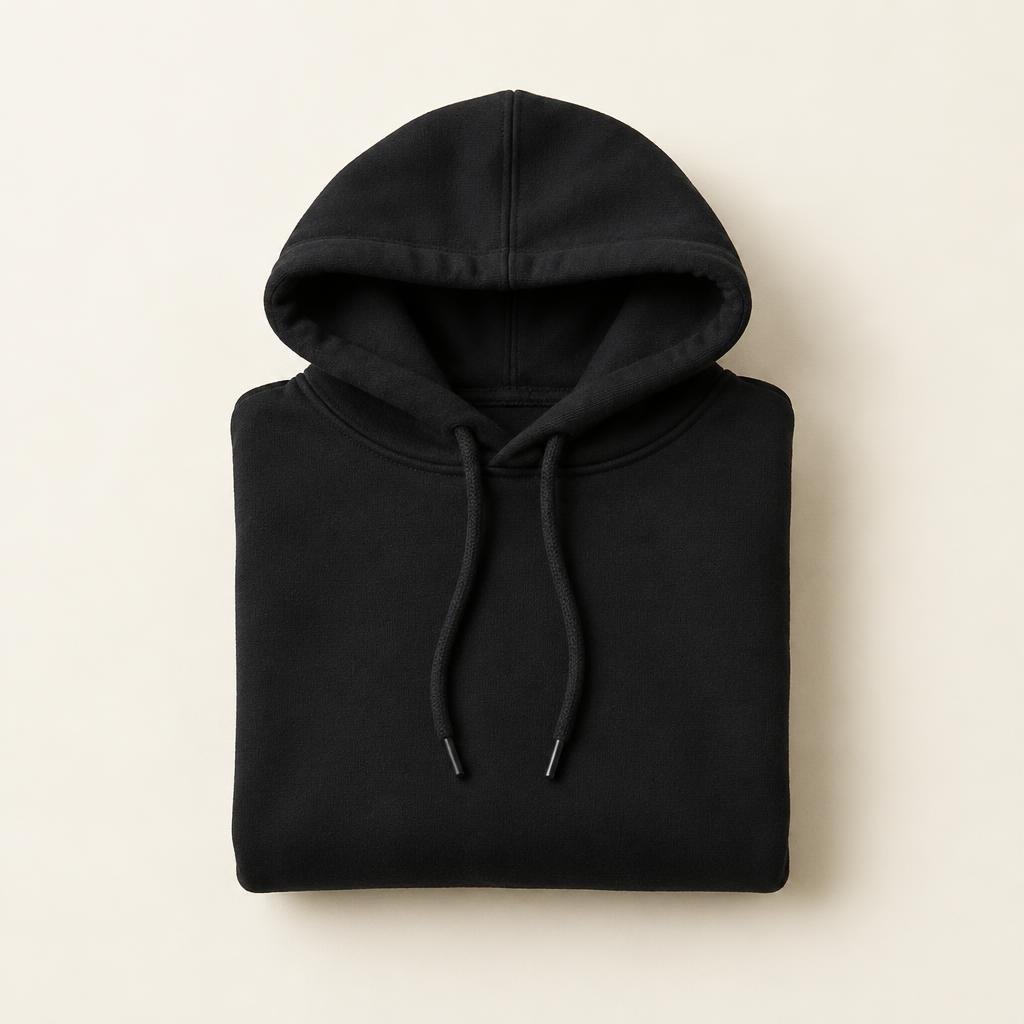
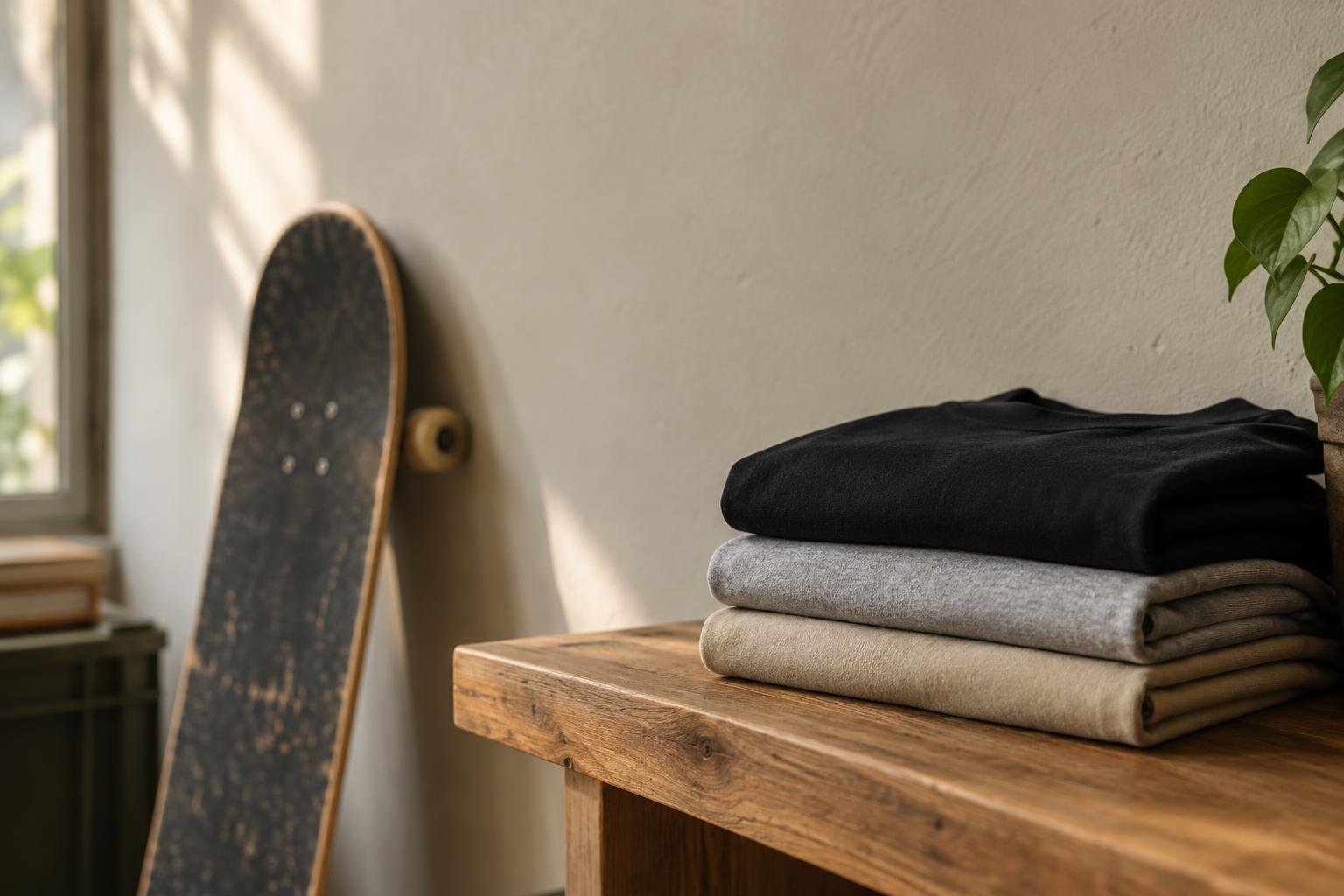
Clothing needs care too. A heavy cotton hoodie holds up well to washing, and turning it inside out helps it keep its color. Wash dark pieces with similar colors and hang them to dry when you can. Heavy cotton is tough, but it can shrink in a hot dryer, so air drying or low heat keeps the fit you bought.
Skating is hard on fabric, especially knees, hems and cuffs. Mend small holes before they spread, and avoid dragging your pants on rough ground when you are walking. Printed graphics last longest when washed cool and inside out, and ironing directly over them is a way to ruin them. Gentle habits make streetwear look good for years.
A canvas backpack is great for carrying a tool, spare bolts and a change of clothes. Empty it out now and then so grit does not build up in the corners. If it gets muddy, brush it dry first and then wipe it with a damp cloth. Packing the tool in a small pouch keeps it from poking through the lining.
Let the bag air out fully before you zip it away, since damp canvas can turn musty. Avoid machine washing it unless the label allows it, because harsh cycles wear the stitching and straps. None of this takes long, and it all adds up. Gear that is looked after lasts through more sessions and keeps the board feeling the way it should.